A commercial roof inspection is very important for keeping your building in good shape and lasting a long time. It’s more than just a quick look. Regular inspections from professional roofing contractors can identify problems like leaks, damage, or wear before they turn into expensive repairs.
During an inspection, experts assess the roof’s materials, structure, insulation, and drainage. This comprehensive review helps catch even small problems before they become major issues. Whether you have a flat roof or a sloped one, having routine inspections as part of your roofing services plan can make your roof last longer, protect your building, and save you money.
In this blog, we’ll walk through the steps of a comprehensive roofing inspection, what to expect, and how building owners can actively contribute to keeping their roof in top shape. Ready to learn more? Let’s get started!
What Happens During a Commercial Roof Inspection?
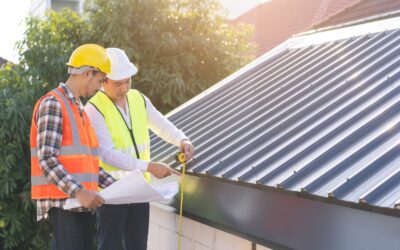
When a professional roofing contractor inspects your commercial roof, they follow a detailed process to assess the overall condition and identify any potential issues early. Here’s what typically happens during each step of the inspection:
1. Visual Overview of the Roof Surface
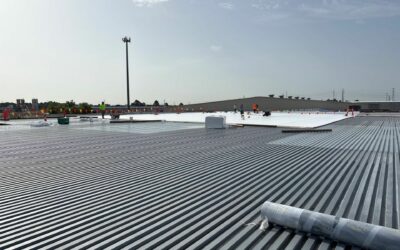
The inspection starts with a visual check of the entire roofing surface. The contractor looks for obvious signs of damage, such as sagging areas, cracks, pooling water, blistering, or worn-out materials. This step gives them a general sense of the roof’s current condition.
2. Detailed Examination of Roofing Components
Next, the inspector focuses on the critical components of the roofing system. This includes checking the flashing (the metal seals around vents, edges, and joints), roof seams, drainage systems, and any rooftop equipment. They ensure everything is secure and properly sealed to prevent water intrusion.
3. Leak Detection and Moisture Checks
Detecting signs of leaks is one of the most crucial parts of the inspection. The contractor looks for water stains, mold, soft spots, or other indicators of hidden moisture beneath the surface. Even minor leaks can cause major structural damage over time, so early detection is key.
4. Structural and Safety Assessment
The inspector also evaluates the structural integrity of the roof. This may include checking the insulation for moisture, examining the decking for weakness, and confirming that safety features—such as walkways or guardrails, are up to code.
5. Documentation and Recommendations
Finally, the contractor documents their findings and provides a summary of the roof’s condition. They may take photos, write a detailed report, and offer maintenance or repair recommendations. This information helps property owners make informed decisions and plan future maintenance.
Regular roof inspections are the foundation of a strong preventative maintenance plan. Many national roofing contractors recommend scheduling inspections at least twice a year to catch problems early, save money on repairs, and extend the life of your commercial roofing system.
Common Issues Found During a Commercial Roof Inspection
| Issue | Impact | What Inspectors Look For |
|---|---|---|
| Roof Leaks | Can cause water damage to ceilings, walls, and equipment | Inspectors look for stains, soft spots, or water pooling |
| Wear and Tear on Roofing Materials | Caused by long-term exposure to sunlight, rain, and wind | Common signs include cracks, blisters, and loose seams |
| Poor Ventilation | Traps heat and moisture | Speeds up material deterioration |
| Poor Drainage | Leads to standing water | Increases the risk of leaks or even roof collapse |
Regular roof maintenance catches problems early before they turn into costly repairs. It also helps extend the life of both flat and sloped roofs, ensuring long-term performance and protection.
How Long Does a Commercial Roof Inspection Take?
Most commercial roof maintenance services or inspections take about 1 to 2 hours. However, the exact time depends on the size of the building and the condition of the roof.
If the roof is large or has lots of equipment on it, like vents or HVAC systems, the inspection might take longer. The same goes for roofs with hard-to-reach areas or signs of damage that need a closer look.
A reliable roofing company will take the time needed to inspect all parts of your roof without rushing. This helps make sure nothing is missed and gives you a full picture of your roof’s condition.
Why You Should Regularly Schedule Commercial Roof Inspections
Getting your commercial roof inspected regularly is one of the best ways to protect your building. Regular inspections are a key part of routine maintenance that keeps your roof strong year after year.
One big reason is early detection. Inspections can catch small problems before they turn into big, expensive repairs. Catching problems early can help you avoid repairing or replacing the roof unexpectedly.
By keeping up with repairs and spotting problems early, you can make your roof last longer and avoid emergency fixes. Many businesses join commercial roof maintenance programs so inspections and upkeep happen on a regular schedule. Making maintenance easier and less stressful.
A Commercial Roof Inspection is Essential for Your Building’s Longevity
Regular roof preventative maintenance and inspections are key to keeping your roof in good shape and avoiding costly repairs. Keeping your roof in good condition prevents roofing issues that can lead to water damage and expensive repairs. They help catch small issues early, like leaks, damaged materials, and drainage problems, before they become major headaches. Adding inspections to your commercial roof maintenance routine helps your roof last longer and protects your investment.
As a commercial roofing maintenance company serving the Texas area, we understand the unique challenges local buildings face. We specialize in custom commercial roof maintenance plans designed to fit your property’s specific needs and climate conditions.
Want to make sure your roof is ready for any weather? Contact us to learn more.