Choosing the right roofing material is important, whether you’re getting a new roof or replacing an old one. With so many different roof types out there, it can feel a little overwhelming. But don’t worry, we’re here to walk you through it.
The type of roofing you choose doesn’t just affect how your building looks. It affects how long your roof will last, how often it needs maintenance, and how much value it can add to your commercial property.
In this blog, we’ll cover the most common roofing materials and how to choose the best one for your commercial building or facility.
Metal Roofing: Sleek, Strong, and Modern
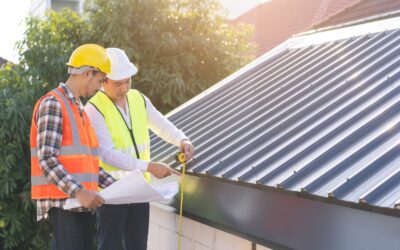
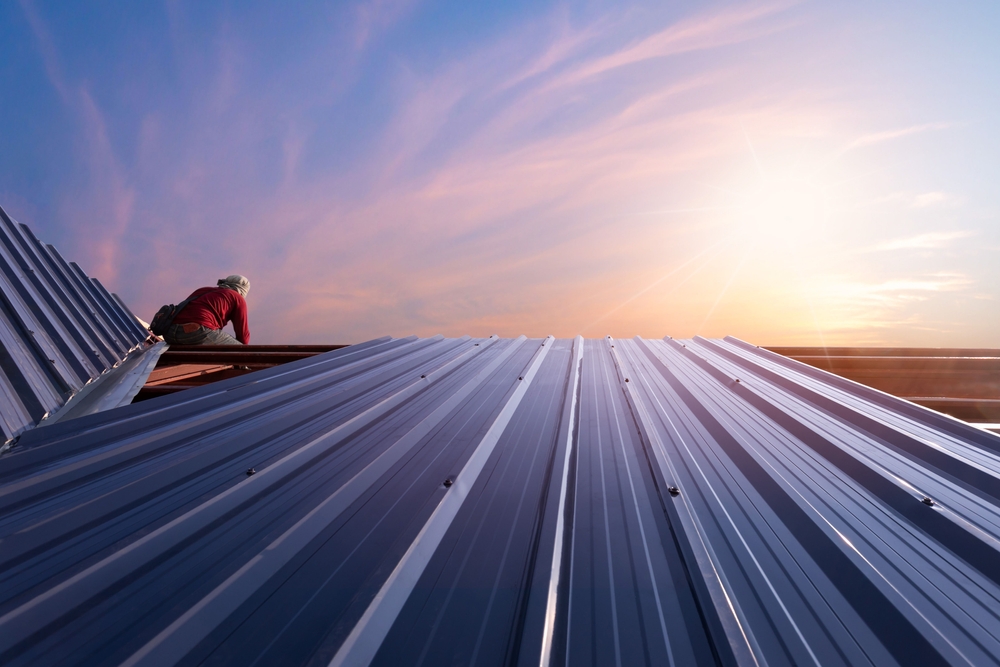
Metal roofing is growing in popularity, and it’s easy to see why. It gives homes a clean, modern look while offering strong protection from the elements. Metal roofs can last a long time and help lower your energy bills by reflecting heat instead of absorbing it.
Pros
- Extremely long lifespan (40–70 years), reducing the need for replacement
- Energy-efficient, helping to lower utility costs
- Lightweight material puts less stress on the building’s structure
Cons
- Higher upfront cost compared to asphalt shingles
- Can be noisy during heavy rain or hail if not properly insulated
Metal roofs are a great fit for industrial buildings, warehouses, retail centers, and modern commercial spaces. Their durability and sleek appearance make them one of the fastest-growing choices in commercial roofing today.
Tile Roofing: Timeless Beauty with Serious Staying Power
If you love the classic look of Mediterranean or Spanish-style homes, tile roofing might be the perfect match. It’s known for its beautiful appearance and incredible durability; some tile roofs can last over 100 years!
Most popular type of tile roofing uses clay or concrete tiles. Clay tiles have that rich, reddish tone and are made from natural clay that’s baked into shape. Concrete tiles look similar but are made from a mixture of sand, cement, and water. Both are strong and stylish, but concrete tiles tend to be a little more affordable and heavier.
Pros
- Fire-resistant and low-maintenance
- Extremely durable with a long lifespan
- Excellent performance in hot climates and intense sun
Cons
- Heavy material requires a strong roofing structure for support
- Longer installation time
- Higher upfront cost compared to other materials
Tile roofs are best suited for commercial properties with Mediterranean, Spanish, or Southwestern architecture. They’re a top choice for hotels, restaurants, and upscale office buildings seeking lasting curb appeal and reliable performance.
Wood Shingles and Shakes: Natural Charm with a Rustic Touch
Wood shingles and shakes give your home a warm, natural look that’s hard to beat. They’re great for creating a warm, rustic look. Commonly used on boutique hotels, inns, and bed-and-breakfasts in scenic or historic areas.
Slate Roofing: The Ultimate in Longevity and Luxury
If you’re looking for something that combines beauty and strength, slate roof shapes are hard to beat. It has a classic, high-end look and can last well over 100 years with proper care. It’s one of the most durable roofing materials available.
Pros
- Extremely durable and resistant to wind, rain, fire, and hail
- Natural, elegant appearance adds high-end curb appeal
- Long-lasting with minimal maintenance required
Cons
- One of the most expensive roofing materials and installations
- Very heavy, requiring a strong and well-supported roof structure
Slate roofs are ideal for upscale commercial buildings and historic landmarks. They’re perfect for businesses that want a striking, long-lasting roof that makes a bold and lasting impression.
Synthetic and Composite Roofing: Versatile and Modern
Synthetic or composite roofing is a newer option that’s quickly gaining popularity. These materials are designed to mimic the look of natural slate or wood but with fewer downsides. They’re made from a mix of plastic, rubber, or recycled materials, which makes them a smart and eco-friendly choice.
These roofing styles are made from a blend of man-made materials designed to be strong, lightweight, and long-lasting. Many homeowners like them because they offer the beauty of high-end roofs without the high cost or heavy weight.
Green and Living Roofs: Eco-Friendly and Eye-Catching
Green or living roofs are exactly what they sound like: rooftops that support real plants and greenery. They look great and offer major environmental benefits, especially in cities.
A living roof has layers that allow plants to grow safely on top of a building. Underneath the soil and plants, there’s a waterproof membrane to protect the structure. These roofs help clean the air, absorb rainwater, and reduce the heat a building gives off.
Pros
- Acts as natural insulation, improving energy efficiency year-round
- Reduces stormwater runoff, helping to prevent flooding and pollution
- Supports eco-friendly design and sustainability goals
Cons
- Requires regular maintenance, including watering, trimming, and leak checks
- Heavier than traditional roofing, needing strong structural support
Green roofs are ideal for urban office buildings, commercial complexes, and institutions prioritizing sustainability and environmental impact. They’re perfect for businesses that want to combine energy efficiency with modern, eco-conscious design.
TPO Roofing: Durable, Energy-Efficient, and Cost-Effective
TPO roofing is a single-ply membrane commonly used on commercial buildings with flat or low-slope roofs. It’s made from a blend of polypropylene and ethylene-propylene rubber, offering strong protection and high reflectivity.
Pros
- Lightweight and resistant to UV rays, punctures, and chemical exposure
- Reflects sunlight, helping to significantly reduce cooling costs
- Easy to install and weld, making it a cost-effective option for large commercial buildings
Cons
- Quality can vary depending on the manufacturer
- Can only be used on buildings with flat roofs
TPO roofing is ideal for warehouses, retail centers, office buildings, and industrial facilities seeking an efficient and affordable flat roofing system. It offers practical benefits for large commercial properties focused on energy savings and durability.
How to Choose the Right Roofing Material for Your Commercial Building
With so many great roofing materials to pick from, how do you know which one is right for your business or commercial property? It comes down to your style, your budget, and what kind of performance you need from your roof.
Key questions to ask:
- What’s the weather like where my building is located?
- How long do I plan to use this building?
- Do I want a low-maintenance roof or one that makes a bold statement?
- What’s my budget for installation and future upkeep?
It’s important to find the right balance of durability, cost, and style. A roof might look great, but if it doesn’t hold up in your climate or needs constant maintenance, it may not be the best fit. On the other hand, a super-durable roof that doesn’t fit your building’s image might not feel right either.