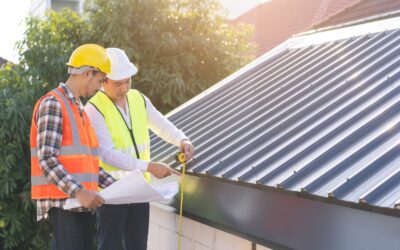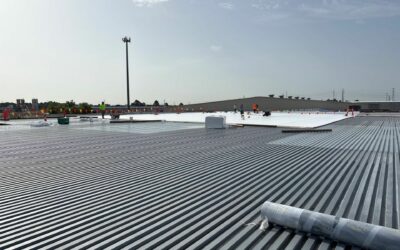
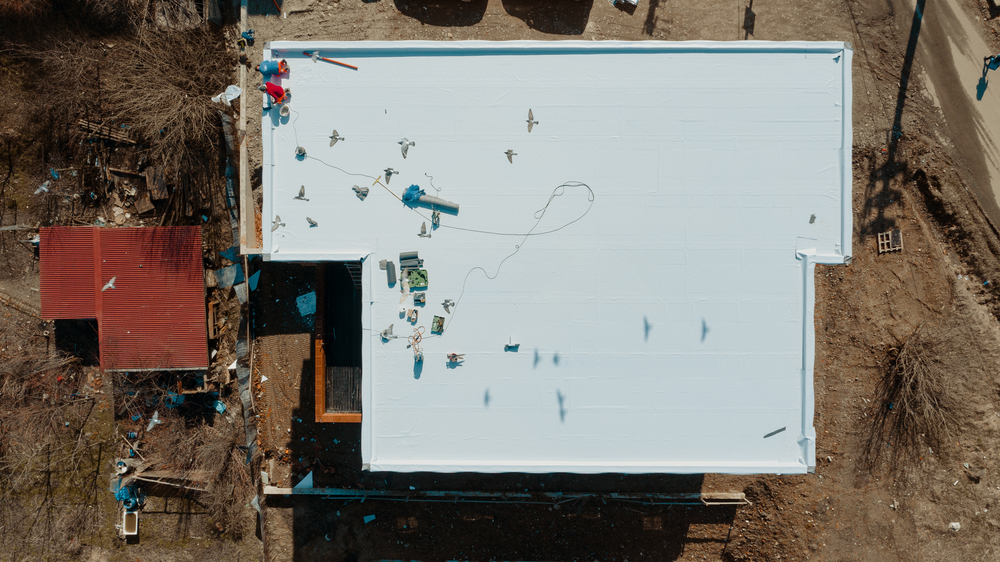
When it comes to protecting a building, the roof is one of the most important parts. For commercial buildings with flat or low-slope roofs, a special kind of roofing is often used, called a membrane roofing system.
Unlike sloped roofs with shingles, flat roofs need a different type of material to keep water out. That’s where membrane roofs for flat roofs come in. These materials are made to cover large areas without seams or gaps, which helps prevent leaks and water damage.
In this blog, we’ll compare three of the most common flat roof membrane types: EPDM, TPO, and PVC. You’ll learn how each one works, what makes them different, and which might be the best fit for your building. Whether you’re looking for something that lasts a long time, is easy to install, or holds up well in extreme weather, we’ll break it all down in simple terms.
What Is a Membrane Roofing System?
A membrane roofing system is a type of roof covering made from flexible materials that creates a waterproof layer over a building. It’s often used on flat or low-slope roofs, where water doesn’t drain as quickly as it does on steeper roofs.
These systems are made from strong, durable membrane roofing material like rubber or plastic. The pieces are joined together using special methods, like glue, fasteners, or heat, to create a smooth, sealed surface.
Key Features and Benefits
- Waterproofing: Membrane roofs are designed to keep water out, even during heavy rain.
- Durability: Many membrane roofs can last up to 30 years with the right care.
- Flexibility: The material can expand and contract with the building as temperatures change.
- Lightweight: These roofs don’t add much weight to the building.
- Energy Efficiency: Insulation membrane roof can improve energy savings by helping keep the building temperature steady.
Common Applications
Membrane roofing is popular for many types of buildings. You’ll often see it used in:
- Commercial buildings, like shopping centers and warehouses
- Industrial spaces, like factories and storage units
If your building has a flat or low-slope roof, a membrane roof is a strong, reliable choice that offers solid protection for the long haul.
EPDM Roofing
EPDM is a type of rubber roofing that has been used for many years on flat and low-slope roofs. EPDM stands for Ethylene Propylene Diene Monomer, and most often goes by its acronym.
EPDM comes in big rolls and can be black or white. It’s flexible and strong, so it handles different weather well. Because it’s rubber, it can stretch without breaking and then return to its shape.
Pros:
- Durable in both hot and cold weather
- Easy to fix if it gets small holes or tears
- Some types resist fire
Cons:
- The black version can make buildings hotter by absorbing heat (the white version stays cooler)
- Can get damaged by sharp things or heavy walking
EPDM works well on large commercial roofs, warehouses, and flat-roof homes. It’s good for places where the weather changes a lot.
If you take care of it, EPDM can last about 30 years. Check the roof often for cracks or loose edges, and keep it clean from dirt and debris.
TPO Roofing
TPO stands for Thermoplastic Olefin. It is a type of single-ply roofing membrane made from plastic materials. TPO roofs usually come in white or light colors and are known for being flexible and strong. They are often heat-welded together, which means the seams are melted and fused to create a tight, leak-proof seal.
Pros:
- Reflects sunlight, helping to keep buildings cooler
- Resistant to chemicals and UV rays
- Lightweight and easy to install
- Good fire resistance
- Seams are strong because they are heat-welded
Cons:
- It may not last as long in very cold climates
- Quality can vary between manufacturers
TPO roofing is popular for its ability to reflect the sun’s heat. This helps reduce cooling costs in warm climates and makes buildings more energy efficient. Because of this, many people choose TPO for commercial buildings looking to save on energy bills.
Common Applications and Longevity:
TPO is often used on commercial roof membranes like shopping centers, offices, and schools. It works well on flat or low-slope roofs. With good maintenance, a TPO roof can last about 20 to 25 years.
PVC Roofing
PVC stands for Polyvinyl Chloride. It is a type of thermoplastic membrane used on flat roofs. PVC roofing comes in large sheets that are heat-welded together to form strong, waterproof seams. It is usually white, which helps reflect sunlight and keep buildings cooler.
Pros:
- Very durable and long-lasting
- Resistant to chemicals, oils, and grease
- Good fire resistance
- Reflects sunlight to improve energy efficiency
- Heat-welded seams prevent leaks
Cons:
- It can become brittle in very cold weather if not installed correctly
- Requires skilled installers for proper installation
PVC roofing costs more upfront but offers strong long-term protection. Installation needs experience, especially for heat welding seams. Once installed, PVC roofs are easy to maintain and can last 25 to 30 years.
Side-by-Side Comparison Table
| Feature | EPDM | TPO | PVC |
| Cost | Most affordable | Moderate | Most expensive |
| Durability | Very durable, flexible | Durable, good UV and chemical resistance | Very durable, strong chemical resistance |
| Energy Efficiency | Black version absorbs heat; white reflects some | Excellent reflectivity, keeps buildings cooler | Excellent reflectivity, helps reduce cooling costs |
| Ease of Installation | Easy to install and repair | Easy to install, heat welded seams | Requires skilled installers for heat welding |
| Lifespan | Around 30 years | 20 to 25 years | 25 to 30 years |
How to Choose the Right Membrane Roofing System
Choosing the best membrane roof depends on your climate, building, and budget.
- Climate: For hot areas, TPO or PVC reflects heat and saves energy. EPDM works well in colder climates and handles temperature changes.
- Building Type: PVC is great for places with chemicals or oils. EPDM is affordable and reliable for warehouses or homes. TPO is popular for energy savings.
- Budget: EPDM is the cheapest upfront. TPO costs more but saves on cooling. PVC is the most expensive but very durable.
Pro Tips: Hire skilled installers, especially for TPO and PVC with heat-welded seams. Regular maintenance helps any roof last longer.
With these tips, you can pick the right roof membrane to protect your building for years.
Membrane Roofing System Solutions for Every Building
In this blog, we compared the top membrane roofing system options, EPDM, TPO, and PVC, to help you understand their benefits, costs, and best uses. Each type offers unique advantages for protecting flat or low-slope roofs while improving energy efficiency and durability.
As a commercial roofing company serving Houston and the surrounding areas, we specialize in installing and maintaining high-quality membrane roofs tailored to local climate and building needs.
Ready to find the right membrane roofing system for your building? Contact us today to get a free quote and expert advice on the best roofing solution for your property.