TPO roofing has quickly become one of the most trusted and popular choices in commercial roofing today. But what exactly is TPO roofing, and why are so many businesses choosing it? Simply put, TPO roofing is a strong and flexible layer made from thermoplastic polyolefin. It protects well against tough weather, UV rays, and chemicals found in commercial settings.
TPO membrane roofing is an ideal solution for commercial buildings looking for reliable performance without breaking the budget. One big benefit is its shiny surface reflecting sunlight, helping lower cooling costs by keeping buildings cooler.
Definition and Meaning of TPO
TPO stands for Thermoplastic Polyolefin, a material used to cover flat and low-slope roofs on commercial and some residential buildings. When people talk about TPO roofing, they mean a tough, flexible, and energy-saving material that lasts a long time.
So, what does TPO stand for in the roofing industry? It’s a mix of Thermoplastic Polyolefin that’s heat-welded to form one solid layer. This gives it a smooth surface that makes it UV resistant and helps lower cooling costs.
The TPO roofing material is different from other roofing types like PVC or EPDM. It’s more affordable than PVC and stronger in some cases than rubber roofing. It resists dirt, mold, and tears, which makes it a popular choice for business owners.
How TPO Roofing Works
TPO roofing uses a thermoplastic polyolefin roofing membrane that is designed as one of the most popular single-ply roofing membranes in the industry.
This means the roof covering is made from just one strong sheet of material that is rolled out over the roof. Even though it’s a single layer, it’s tough enough to handle rain, wind, and sunlight.
A key part of the TPO roofing definition is how the seams are sealed. Instead of using glue, the edges are heat-welded together. This special process melts the membrane seams to form one solid, monolithic waterproof piece that keeps leaks out.
TPO roofs also feature a reflective, light-colored surface that reflects sunlight. This reflective surface helps buildings stay cooler during hot days. This can lower energy bills and reduce how much air conditioning you need.
Composition and Materials of TPO Roofing
A TPO system is made of several layers that work together to protect the building. These layers make up what’s called a TPO membrane, and each one plays a special role.
Using UV- and heat-resistant materials is important because roofs are out in the sun all day. Without that protection, the roofing would wear out quickly. The special mix of materials in a TPO roof helps it last longer and stay flexible, even in very hot or cold weather.
Advantages of TPO Roofing
| Cost-Effective | Usually costs less to install than other roofing types like PVC, but still offers great performance. |
| Energy Efficient | The white or light-colored surface reflects the sun’s heat, keeping buildings cooler and reducing air conditioning costs. |
| Durable | Resistant to chemicals, dirt, and small punctures, leading to fewer repairs and a longer lifespan. |
| Environmentally Friendly | Fully recyclable, so it doesn’t have to end up in a landfill when replaced. |
Many leading manufacturers, such as Versico Roofing Systems and ABC Supply Co., Inc. offer reliable TPO products designed for long-lasting performance and ease of installation.
Energy Efficiency and Environmental Benefits
One big reason people choose TPO roofing is that it helps save energy. The light-colored surface reflects sunlight, which keeps the building cooler. This means you don’t need to run the air conditioner as much, so your cooling costs go down.
TPO also supports green building goals. Using TPO roofing can help buildings earn LEED certification, which shows they are energy efficient and environmentally friendly.
Another bonus? TPO is recyclable. When it’s time to replace the roof, the material can be reused instead of thrown away. That’s why many people see it as a smart, low-waste option with a low environmental impact. Plus, many of the TPO roofing supplies used during installation are made with eco-friendly practices in mind.
Some advanced systems, like those from QXO Building Products, even include innovations like enhanced solar reflectance and extended membrane life.
Maintenance and Longevity of TPO Roofs
TPO roofs are known for being strong, but regular care helps them last even longer.
It’s a good idea to inspect the roof at least twice a year, especially after storms. Look for things like dirt buildup, small tears, or loose seams. Cleaning the roof with mild soap and water can help prevent damage and keep the surface reflective.
Some common maintenance tasks include clearing off leaves and debris, checking the seams, and making sure drains aren’t clogged. These small steps can go a long way in protecting your roof.
With proper care, a TPO system can last 20 to 30 years. Using high-quality materials from suppliers like Northwest Tile and Sheet Metal and ensuring expert installation are key to achieving that longevity.
Common Uses of TPO Roofing
TPO roofing is used on all kinds of buildings because it’s strong, lightweight, and easy to install.
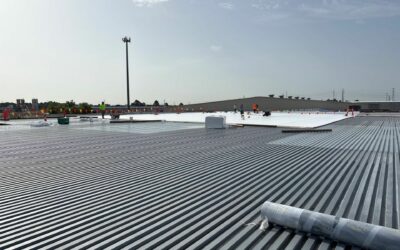
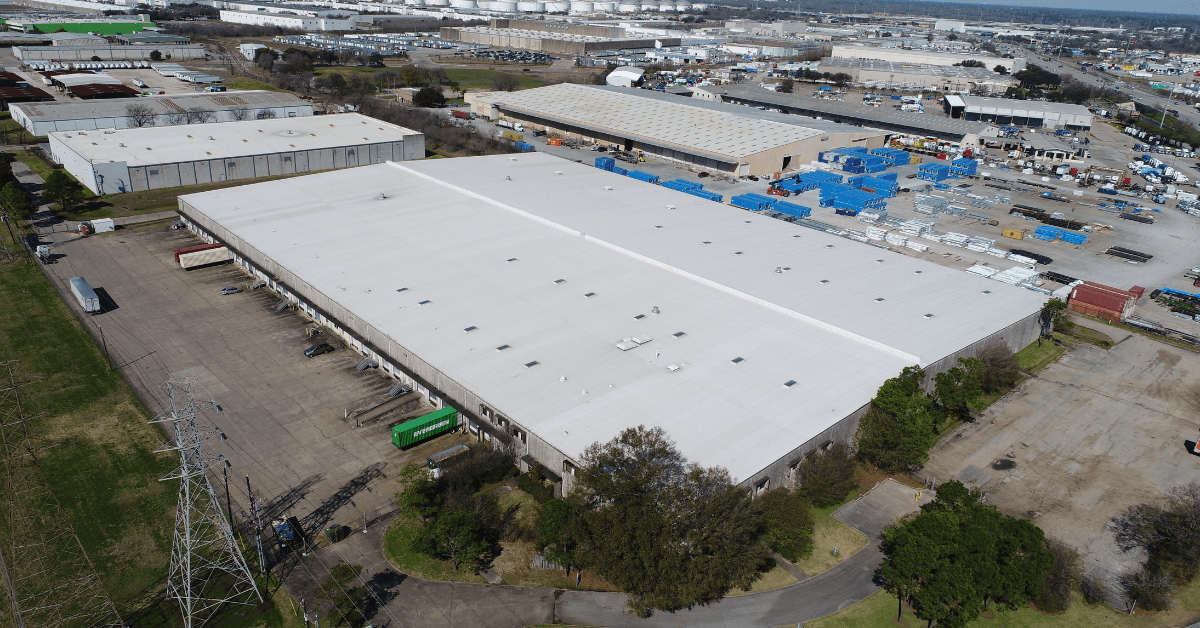
You’ll often see it on commercial buildings like offices, warehouses, and shopping centers. These buildings usually have low-slope or tpo flat roofs, which makes TPO a perfect fit.
It’s also great for special projects. For example, a TPO roof can work well under green roofs, where plants are grown on top of buildings. It’s also a popular choice for buildings with solar panels, since it can handle the extra equipment and heat.
No matter the project, TPO offers a flexible and reliable solution. That’s why so many contractors choose it when they need a roof that performs well and lasts.
And now you know the TPO roofing meaning, it’s more than just a cover; it’s a smart roofing choice for the future.
Signs It’s Time to Repair or Replace an Existing Roof
- Cracks, bubbles, or peeling seams on the roof surface
- Water stains or leaks inside the building
- Loose or lifted edges of the roofing membrane
- Visible tears or punctures in the roof
- Age of the roof, older roofs may need full replacement
- Small problems that can be fixed with repairs
- Widespread damage requiring a full roof replacement
- Ignoring issues can cause water damage, mold, and higher repair costs
Final Thoughts on TPO Roofing
TPO roofing is a strong and energy-saving choice for flat roofs that helps building owners save money on cooling while protecting against weather damage. We explained what TPO roofing is, how it works, its materials, benefits, and signs you may need repairs or replacement.
As a commercial roofing company serving Texas, we specialize in TPO roofing installation and maintenance. With many years of experience and a focus on quality, we offer dependable roofing products built to handle Texas weather.
Thinking about installing or repairing a TPO roof? Contact us today for a free quote and expert advice to protect your building with the best TPO roofing system.