In a commercial building, a roof leak isn’t just a minor inconvenience; it’s a risk to your property, equipment, and operations. Even a small leak can lead to major issues like interior damage, mold growth, and structural problems that disrupt business and increase repair costs.
Catching a leak early is key. Knowing the signs of a roof leak helps you act fast, avoid downtime, and prevent expensive long-term damage to your facility.
Understanding Roof Leaks
A roof leak occurs when water enters your building through a weak spot in the roofing system. What may begin as a small stain or drip inside can quickly escalate, leading to interior damage, safety hazards, and costly repairs if not addressed right away.
There are several common reasons a commercial roof may start leaking:
- Storm damage – High winds, hail, or heavy rain can weaken or damage roofing materials.
- Poor drainage – Standing water on flat roofs often leads to leaks if not properly drained.
- Cracked or damaged flashing – Flashing around vents, HVAC units, or other roof penetrations can fail over time.
- Aging materials – Roofing systems naturally wear down from exposure to sun, heat, and weather.
- Improper installation or past repairs – Work done incorrectly can create weak points where water gets in.
These are some of the most common roof leak symptoms you’ll notice inside your building. Spotting these issues early helps prevent bigger problems and costly repairs later on.
How to Detect Roof Leaks in Your Commercial Building
Roof leaks in commercial buildings often go unnoticed until they’ve already caused damage. That’s why it’s important to regularly inspect your facility for early warning signs that water may be getting in.
- Water stains on ceilings or walls – Brown or yellow discoloration inside office spaces, hallways, or warehouses often points to water intrusion. These stains can spread quickly if left unaddressed.
- Peeling paint or bubbling surfaces – Moisture behind walls or ceilings can cause paint or wall coverings to lift, crack, or bubble, often indicating a hidden leak.
- Musty odors and mold – A persistent damp smell may be a sign of mold growth, which can create health risks for employees and damage building materials.
- Warped or soft ceiling and wall areas – If sections of drywall feel soft or appear swollen, the materials may be saturated with water and structurally compromised.
Catching these signs early can prevent interior damage, safety concerns, and business disruption. Regular inspections should be part of your building maintenance plan.
What Your Roof’s Surface Can Tell You
The surface of your commercial roof can show signs of trouble. If you notice cracks, blisters, or worn-out spots, it could mean the roof is starting to fail. Look for areas where the roofing material is pulling away or damaged.
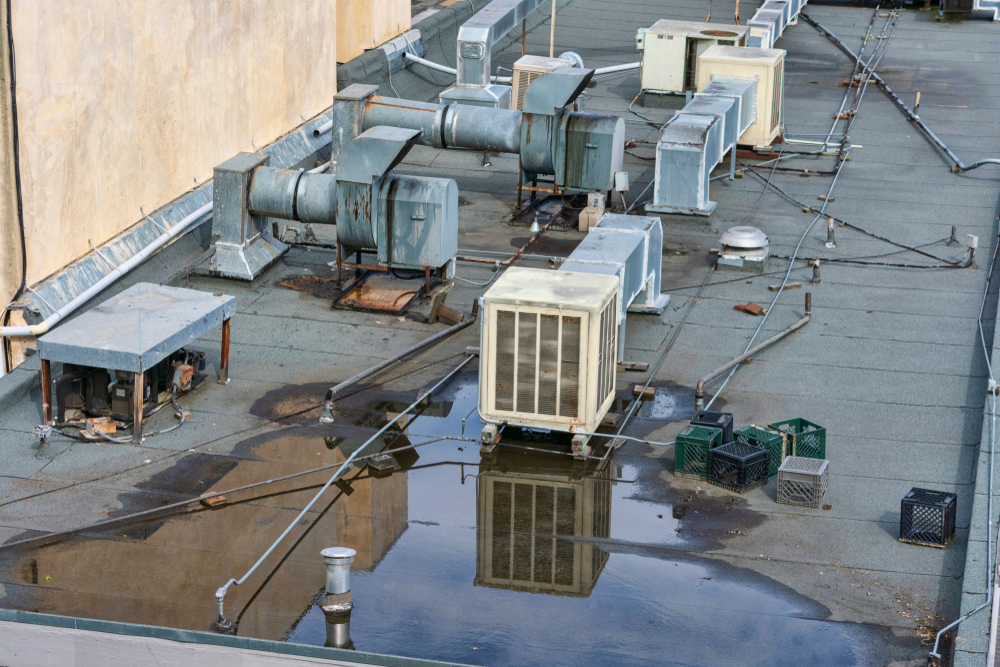
If water is pooling in certain spots and not draining properly, that’s a sign of poor drainage, which can lead to leaks.
Also, check for rusted or damaged flashing around vents, pipes, and other roof fixtures. These weak spots can let water in and cause serious problems inside your building.
When to Call in the Experts
Sometimes, a roof problem is too big or tricky to handle on your own. If you notice big water stains, growing mold, or soft spots in your ceilings or walls, it’s time to call a professional roofer. Also, if your roof is old or you see a lot of damage on the surface, experts can help find and fix problems you might miss.
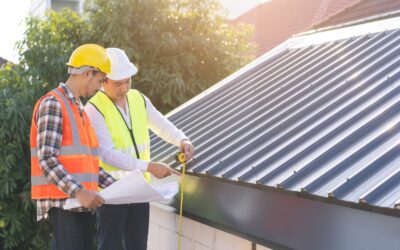
When you hire a roofer, they will do a thorough inspection of your roof. They check the roof surface, flashing, drainage, and inside your building for signs of leaks. After the inspection, they will give you a report and recommend repairs if needed.
Before the roofer starts work, ask questions like: How long have you been in business? Are you licensed and insured? What kind of warranty do you offer? Knowing this helps you pick the right expert and feel confident in their work.
Common Roof Leak Repair Options
When you find a roof leak, there are different ways to fix it. Sometimes, a quick repair like sealing a small crack or replacing a damaged part can stop the leak right away. These fixes work well if the problem is small and caught early.
But if the roof has many damaged areas or is very old, a long-term solution might be needed. This could mean replacing large sections or even the entire roof to protect your building for years to come.
If your roof is leaking often or the damage keeps coming back, it might be time to think about a full roof replacement. This can cost more upfront, but saves money later by preventing constant repairs. A leaky roof caused by storm damage or poor drainage can lead to expensive repairs if ignored.
How Roof Materials Affect Leak Risks
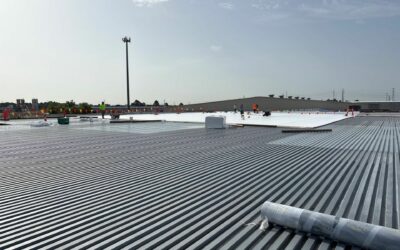
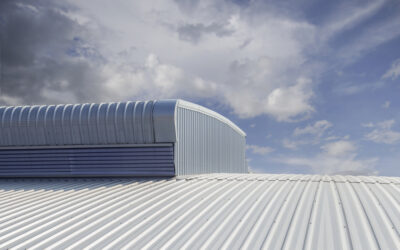
The type of roof material you have can affect how likely it is to leak. Metal roofs are common on commercial buildings because they are strong and last a long time. When installed properly, metal roofs can prevent leaks well, but if seams or fasteners are damaged, leaks can still happen.
Flat roofs are also popular on commercial buildings, but they have special challenges. Because flat roofs don’t slope much, water can pool on the surface. If the drainage isn’t good, this standing water can cause leaks and damage over time. Flat roofs need regular checks to make sure water is flowing away properly.
How to Tell If My Roof Is Leaking? Key Takeaways
Roof leaks can cause serious damage if left unchecked. Signs like water stains, peeling paint, musty odors, and damaged roofing materials are clues that your roof may be leaking. Catching these problems early can save you time and money on repairs.
As a trusted commercial roofing company in Houston, we have over 30 years of experience inspecting and repairing roof leaks. Our team understands the unique challenges of commercial roofs in this area and is dedicated to protecting your building from water damage.
Worried your roof might be leaking? Don’t wait, contact us for a professional roof inspection and quote. We’re here to help you keep your roof strong and your building safe.