Sloped/low-slope roofs are a popular choice for many commercial buildings. They offer a clean, modern look and can even provide extra space for things like rooftop gardens or HVAC systems. But slope/low-slope roofs need scheduled inspections to stay strong and leak-free.
Improper drainage can lead to ponding water and leaks if not installed correctly. That’s why it’s important to hire a trusted single ply roofing contractor who knows how to install these roofs properly using the best roofing practices.
What Are Single Ply Roofing Membranes?
Single ply roofing membranes are a type of roofing material used mostly on slope or low-slope roofs. They are made from flexible sheets of synthetic materials like TPO (thermoplastic polyolefin) or PVC (polyvinyl chloride). These sheets are rolled out and installed over the roof deck to create a waterproof barrier.
Some popular brands that make single ply membranes include Versico, Carlisle, Fibertite, Duro-Last, GAF, and Firestone. These companies are known for producing durable and reliable roofing products.
Single ply membranes are popular because they are lightweight, easy to install, and provide strong protection against water leaks. They also reflect sunlight, which helps keep buildings cooler and can save on energy costs. Plus, they are resistant to tears and weather damage, making them a smart choice for many commercial and residential roofs.
People choose single ply systems for slope and low-slope roofs because they are:
- They are proven and have a variety of systems to meet any situation or condition.
- Reflective helps keep buildings cooler and cuts energy costs.
- Low maintenance and long-lasting, with proven performance over many years.
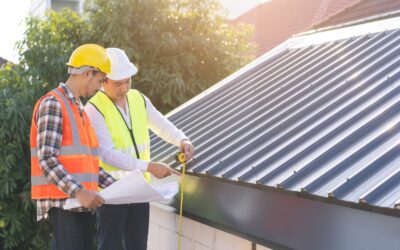
An experienced single ply roofing contractor should be able to guarantee a leak-free roof repair if the manufacturer’s details and “best roofing practices” are followed. A skilled single ply installer knows how to handle the seams, edges, and other critical details of the roofing membrane. One small mistake can cause leaks, mold, or costly repairs later on.
The Building Blocks of Single Ply Roofing Performance
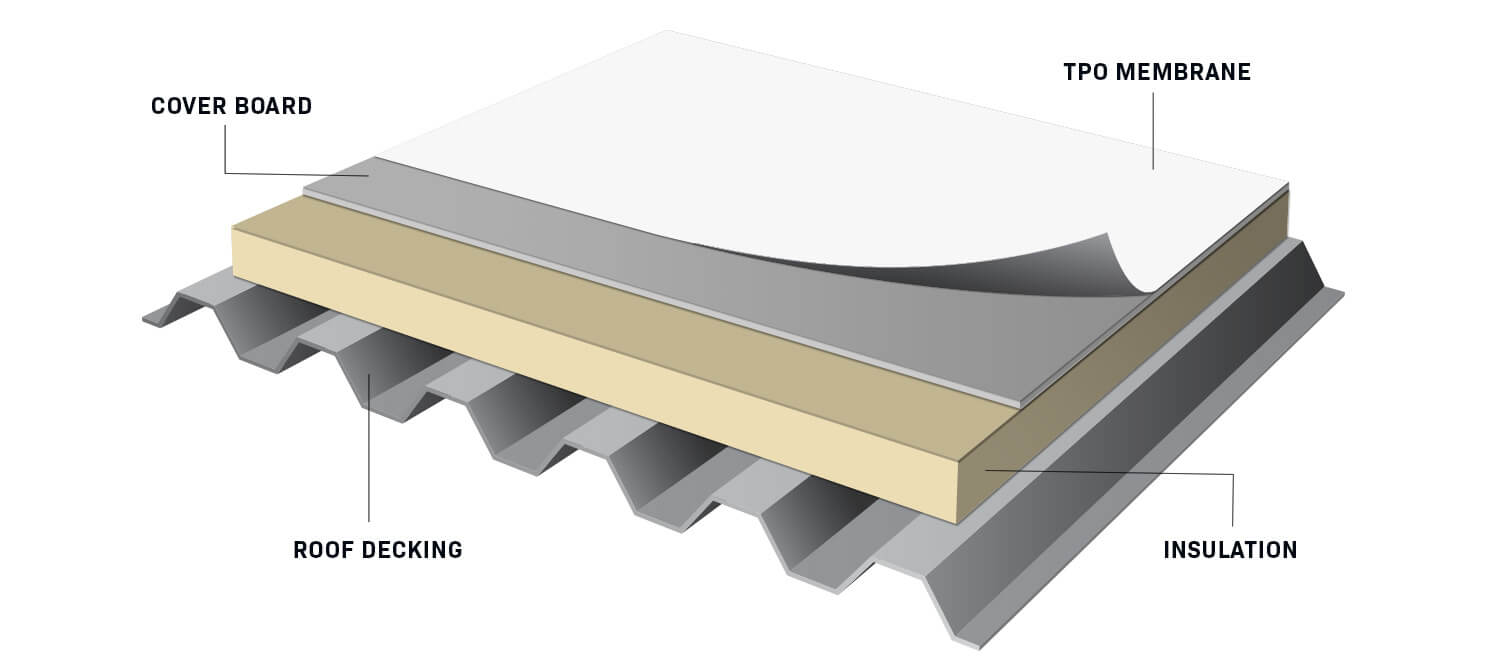
Here’s a breakdown of the main layers that form a durable and energy-efficient single ply roof.
- Membrane: The top waterproof layer is made from Thermoplastic Polyolefin, designed for flexibility, UV resistance, and weather protection.
- Cover Board: A rigid board installed beneath the membrane to add strength, improve fire resistance, and create a smooth surface for membrane attachment.
- Insulation: Provides thermal resistance to help regulate building temperatures and improve energy efficiency.
- Roof Decking: The structural base of the roof, often made from metal or wood, which supports the entire roofing system.
Signs You Need a New Flat Roof System
Keep an eye out for these warning signs that your roof might need replacing:
- Leaks inside your building can cause water damage and possible structural damage.
- Cracks or aging in the current roofing system are letting moisture in.
- Ponding water that doesn’t drain can damage the membrane.
- High energy bills are because the roof isn’t insulated or reflecting heat properly.
Catching these early can save you from bigger problems down the line.
How to Choose the Right Single Ply Installer
When hiring a single-ply roofing contractor, look for experience with TPO and PVC roofs and ask them recommendation on which system will suit the current problem. Check for certifications from manufacturers and references from past projects to confirm their skills and quality of work.
Before hiring, ask questions like:
- How many single-ply roofs have you installed?
- What warranties do you offer?
- Do you handle permits and inspections?
A trusted installer will answer confidently and guide you through the process.
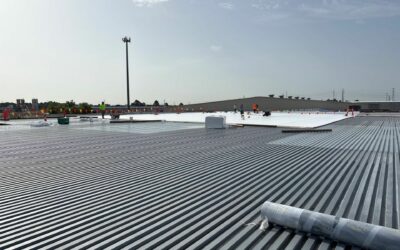
A professional installer will usually begin by removing any old roofing and preparing the surface. Then they carefully roll out the TPO or PVC membranes and mechanically attach or fully adhere them to the roof. Seams and edges are sealed tightly to keep water out.
Installation times vary but usually take a few weeks or longer, depending on the size of the project. Throughout, safety is a top priority, and the crew will clean up thoroughly after the job is done, leaving your commercial roofing ready to last.
Why Hiring the Right Single Ply Installer Matters
A trusted single-ply installer is essential for keeping your flat roof strong and free from leaks. Proper installation prevents costly repairs and protects your building from water damage. Acting early when you notice problems can save you time and money in the long run.
As a roofing company serving Texas, we specialize in single-ply roofing installations designed to withstand local weather conditions. With years of experience in the area, we understand what it takes to deliver durable, high-quality flat roofs.
Ready to protect your building with a reliable flat roof? Contact us today for expert installation you can trust. Get in touch now.